




The essay is finished. The cursor blinks at the bottom of the page and your hand hovers over publish. This is the moment where a good piece of personal writing either becomes generous or becomes a problem — not because the words change, but because the audience does. A private draft is a place to think. A published essay is a thing other people read, including people who are in it.
What follows is the pass I make over a personal piece before it goes out. Eight questions, roughly in the order they matter. None of them ask you to be a better writer than you already are. They ask you to be a more deliberate one.
1. Can a stranger follow what happened?
Two questions live here, and both are about clarity rather than craft.
First: if you stripped out the emotion, would the sequence of events still hold together? Readers don't need every date and address, but they need a spine. A draft that opens with “She said the thing about the car again” leaves the reader doing arithmetic — who is she, what thing, is this the first time? Three added words of context usually fix it. The scene can keep its heat; it just needs a floor under it.
Second: are the people distinguishable? If your essay contains a mother, a stepmother and two aunts, all referred to as “she,” the reader quietly gives up. Give each person one identifying detail — a habit, an object, a way of speaking — and use it every time they appear.
A practical test: hand the piece to someone who knows nothing about your life and ask them to retell it back to you. Every place they stumble is a place you were writing for yourself.
2. Whose story is this, really?
You have the right to your own experience. You don't automatically have the right to someone else's diagnosis, divorce, addiction, arrest, or very bad Tuesday. That distinction is the whole of this question.
A useful exercise: imagine the other person reading the piece. Not the version of them you argue with in your head — the actual person, at their kitchen table, with their coffee. If that image makes your stomach drop, you have three options.
- Ask. Be specific, not vague. “I've written about the year Dad was ill and you appear in it. I'd like you to read it before anyone else does.” Asking is not the same as getting a yes. If the answer is no, that answer counts.
- Disguise. Change the details that would identify someone — the job, the town, the number of children — while keeping the emotional truth. Be honest with yourself here: changing a name fools nobody who was there.
- Cut. Sometimes the scene you most want to write is the one you can't publish yet. Write it anyway. Put it in a folder. Come back in a year and see what it looks like from further away.
If a piece touches on someone's medical, legal or employment situation in a way that could have real consequences for them, get proper advice before publishing. That isn't a writing problem, and it shouldn't be handled with writing instincts.
3. What happens when the person you wrote about reads it?
They will, eventually. Or their sister will, and then they will. Family group chats are efficient that way.
The question to hold up against each paragraph: would you say this to their face, in these words? If the answer is no, ask yourself whether the writing is doing work that courage should be doing. Essays that settle scores in public tend to read as exactly that, even when the prose is beautiful.
There's also a courtesy question. If a piece is substantial and someone close to you is central to it, tell them before it goes out, not after. A short message costs you nothing and prevents a strange, small betrayal.
4. Are you writing from the wound or from the scar?
Personal essays go wrong most often when they're published too soon. A piece written from inside the argument has a particular quality — defensive, repetitive, oddly airless — that readers feel before they can name it.
Here's a test that works better than waiting a fixed number of months: can you write one honest paragraph about what you got wrong? Not a false-confession paragraph, not a humble-brag. An actual one. If you can't find a single place where you were mistaken, unkind, or simply slow to understand, you're probably still in it.
This doesn't mean the essay needs a tidy ending. Unresolved is fine, even preferable. But unresolved is different from unresolved and unaware. One is a thoughtful place to leave a reader. The other leaves them standing in a room where the argument is still going on.
5. Where are you protecting yourself, and where are you hiding?
You don't owe readers your worst day. Protecting yourself is legitimate, and every writer does it. But there's a difference between a boundary and an evasion, and readers are good at spotting the second one.
The tell is usually a paragraph that circles something without landing. “A lot happened that year that I won't go into.” Once, that's a boundary. Repeated through a piece, it becomes a hole the whole essay leans away from — and the reader can feel the lean.
Ask directly: what is the true thing this essay is about, and have I actually said it? If the answer is no, you have two clean options. Say it, or write a different essay about something you can say. What doesn't work is writing around the gap and hoping the shape of it will be enough.
6. What are you leaving the reader with?
Read your last three sentences out loud. Whatever feeling they leave is the feeling most readers will carry out of the piece, regardless of what came before.
Two failure modes worth checking. The first is the moral. If your final paragraph explains what the reader should learn, you've just handed them a summary of an essay they already read. The second is the cliff — a piece that ends on raw pain with no handhold, no perspective, no indication that anyone survived it. That's not honesty; it's transferring weight.
Reader care also has practical forms. If a piece contains graphic material about illness, violence or grief, a short note at the top is a kindness, not a spoiler. And if the piece exists mainly to discharge a feeling, that's worth knowing before you publish. Venting has its place; a reader's attention isn't the place.
The last read-through
Before you publish, do three things in this order. Print the piece and read it on paper — you'll catch what a screen hides. Read it aloud, slowly, and stop wherever your voice trips. Then let it sit for two days. Most of the errors on this list are visible after a night's sleep and invisible before one.
Then run the eight questions one final time:
- Can a stranger follow the sequence of events?
- Can a stranger tell the people apart?
- Whose story is this, and do I have the right to it?
- What happens when the person in it reads it?
- Would I say this to their face, in these words?
- Am I writing from the wound or from the scar?
- Have I said the true thing, or written around it?
- What is a reader left holding at the end?
If you can answer all eight without flinching, publish it. If one of them snags, that snag is usually the most interesting thing in the draft — and worth a rewrite rather than a shrug.
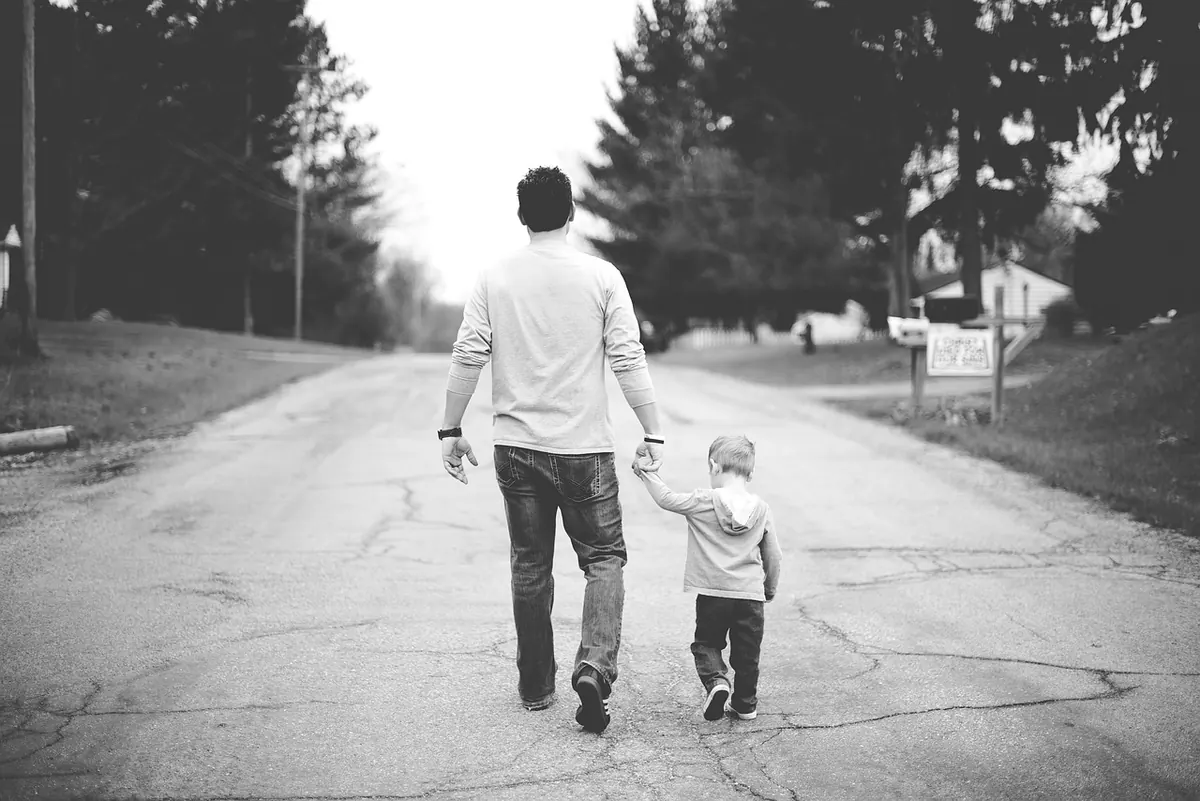
Photo: Pexels / Pixabay